
Painful deformities, such as hammertoes, can be treated. Stop living with foot pain, and have beautiful feet again!
Painful deformities, such as hammertoes, can be treated. Stop living with foot pain, and have beautiful feet again!

New shoes and busy days on the move can lead to painful blisters, especially at the start of the school year. Blisters form when friction or moisture causes the skin to rub repeatedly, creating fluid-filled pockets that make walking uncomfortable. To prevent them, shoes should fit properly with enough room for toes to move, and socks should be moisture-wicking to keep feet dry. Breaking in new shoes gradually helps the skin to adapt, reducing irritation. Students who participate in sports should make sure their athletic shoes offer good support, and are replaced when worn out. If a blister does form, it is best to keep it clean, covered, and protected until it heals naturally. If you are a parent with school-age children, it is suggested that you help your children avoid painful foot problems by scheduling a podiatry visit before the school year begins to ensure proper shoe fit and foot health.
Blisters may appear as a single bubble or in a cluster. They can cause a lot of pain and may be filled with pus, blood, or watery serum. If your feet are hurting, contact Brandon M. Zuklie, DPM of New Jersey. Our doctor can provide the care you need to keep you pain-free and on your feet.
Foot Blisters
Foot blisters are often the result of friction. This happens due to the constant rubbing from shoes, which can lead to pain.
What Are Foot Blisters?
A foot blister is a small fluid-filled pocket that forms on the upper-most layer of the skin. Blisters are filled with clear fluid and can lead to blood drainage or pus if the area becomes infected.
Symptoms
(Blister symptoms may vary depending on what is causing them)
Prevention & Treatment
In order to prevent blisters, you should be sure to wear comfortable shoes with socks that cushion your feet and absorb sweat. Breaking a blister open may increase your chances of developing an infection. However, if your blister breaks, you should wash the area with soap and water immediately and then apply a bandage to the affected area. If your blisters cause severe pain it is important that you call your podiatrist right away.
If you have any questions, please feel free to contact our offices located in Piscataway and Branchburg, NJ . We offer the newest diagnostic and treatment technologies for all your foot care needs.

A podiatrist is a medical specialist dedicated to diagnosing and treating conditions affecting the feet, ankles, and lower legs. People often seek podiatric care for symptoms such as pain, swelling, numbness, deformities, or difficulty walking. Common causes include injuries, arthritis, infections, structural abnormalities, or chronic diseases like diabetes. Foot problems may look like swelling, redness, or changes in skin or nail appearance. Visible deformities, such as bunions or hammertoes, might also be present. A podiatrist uses a comprehensive approach, including physical examinations, imaging tests, and patient history, to identify the root cause of foot or ankle issues. Treatment options include conservative measures like custom orthotics and medications, as well as advanced interventions such as surgery or wound care. Early diagnosis and proper management can prevent complications and improve quality of life. For personalized foot care and expert advice, it is suggested that you schedule an appointment with a podiatrist.
If you are dealing with pain in your feet and ankles, you may want to seek help from a podiatrist. Feel free to contact Brandon M. Zuklie, DPM from New Jersey. Our doctor can provide the care you need to keep you pain-free and on your feet.
What Is a Podiatrist?
A podiatrist diagnoses and treats conditions of the foot, ankle, and related structures of the leg. Your podiatrist may specialize in a certain field such as sports medicine, wound care, pediatrics, and diabetic care. Podiatrists have the ability to become board certified through training, clinical experience, and then taking an exam.
What Do Podiatrists Do?
On a daily basis, a podiatrist may perform the following activities:
It is very important that you take care of your feet. It’s easy to take having healthy feet for granted, however foot problems tend to be among the most common health conditions. Podiatrists can help diagnose and treat a variety of feet related conditions, so it is crucial that you visit one if you need assistance.
If you have any questions, please feel free to contact our offices located in Piscataway and Branchburg, NJ . We offer the newest diagnostic and treatment technologies for all your foot care needs.

Diabetes can create challenges for foot health, often turning small problems into bigger concerns, if they are not noticed early. Reduced circulation and nerve damage can make it harder to feel pain from cuts, blisters, or pressure spots, and slower healing increases the chance of infection. What may seem minor at first can develop into ulcers or other complications that interfere with mobility and comfort. Some people may experience tingling, numbness, or burning in their feet, which makes it more difficult to detect injuries. That is why checking your feet every day, wearing supportive shoes, and keeping blood sugar well managed are important steps to protect your health. With early attention and proper treatment, many serious problems can be avoided. If you live with diabetes and want to safeguard your feet, it is suggested that you see a podiatrist for expert advice and guidance.
Diabetic foot care is important in preventing foot ailments such as ulcers. If you are suffering from diabetes or have any other concerns about your feet, contact Brandon M. Zuklie, DPM from New Jersey. Our doctor can provide the care you need to keep you pain-free and on your feet.
Diabetic Foot Care
Diabetes affects millions of people every year. The condition can damage blood vessels in many parts of the body, especially the feet. Because of this, taking care of your feet is essential if you have diabetes, and having a podiatrist help monitor your foot health is highly recommended.
The Importance of Caring for Your Feet
Patients with diabetes should have their doctor monitor their blood levels, as blood sugar levels play such a huge role in diabetic care. Monitoring these levels on a regular basis is highly advised.
It is always best to inform your healthcare professional of any concerns you may have regarding your feet, especially for diabetic patients. Early treatment and routine foot examinations are keys to maintaining proper health, especially because severe complications can arise if proper treatment is not applied.
If you have any questions, please feel free to contact our offices located in Piscataway and Branchburg, NJ . We offer the newest diagnostic and treatment technologies for all your foot care needs.
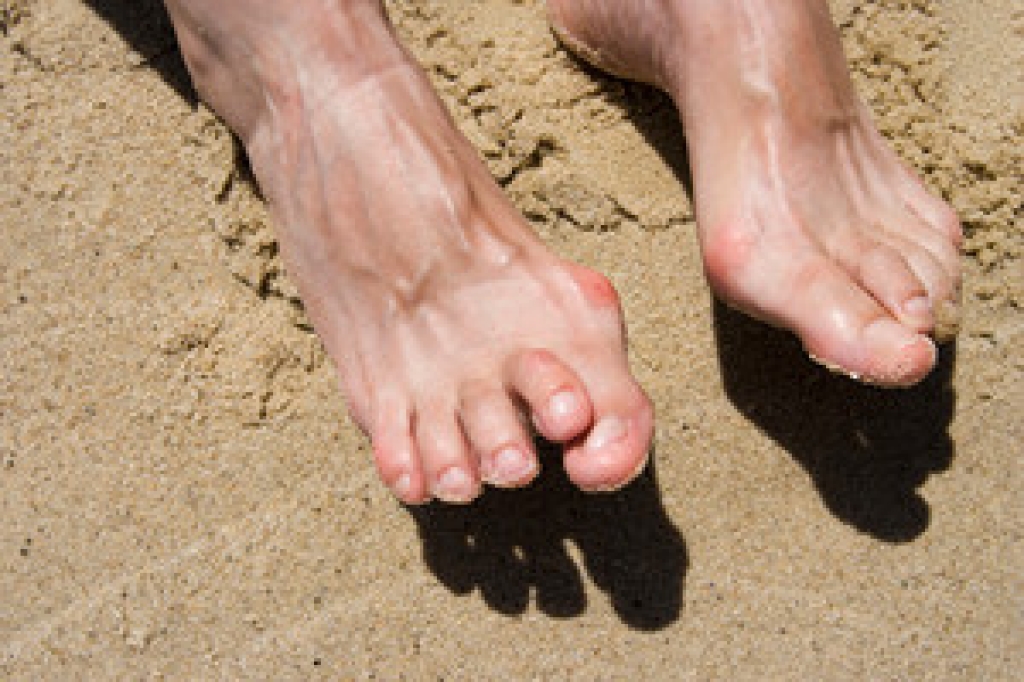 Hammertoe is a condition in which the joints of a toe become deformed, causing the toe to bend abnormally downward. This condition generally affects the second toe, but can occur in the third, fourth, or pinky toes. The hammertoe may be flexible or rigid. Signs that indicate you have developed a hammertoe can include pain at the top of the toe due to pressure from your shoes, pain at the base of the toe, corns on top of the toe, redness and swelling, and a decreased range of motion in the affected toe. Treatments depend on the severity of the hammertoe and can include conservative measures, such as wearing specialized foot pads or shoe inserts. In more severe cases surgery may be necessary. If you suspect that you have a hammertoe, it is recommended that you visit a podiatrist for proper care and treatment.
Hammertoes can be a painful condition to live with. For more information, contact Brandon M. Zuklie, DPM of New Jersey. Our doctor will answer any of your foot- and ankle-related questions.
Hammertoe
Hammertoe is a foot deformity that occurs due to an imbalance in the muscles, tendons, or ligaments that normally hold the toe straight. It can be caused by the type of shoes you wear, your foot structure, trauma, and certain disease processes.
Symptoms
Risk Factors
Treatment
If you have hammertoe, you should change into a more comfortable shoe that provides enough room for your toes. Exercises such as picking up marbles may strengthen and stretch your toe muscles. Nevertheless, it is important to seek assistance from a podiatrist in order to determine the severity of your hammertoe and see which treatment option will work best for you.
If you have any questions, please feel free to contact our offices located in Piscataway and Branchburg, NJ . We offer the newest diagnostic and treatment technologies for all your foot care needs.
Connect With Us
