
What Are the Feet Responsible For?

The onset of warm weather in many parts of the world may bring the desire to lose the shoes and walk barefoot. It can be interesting to look closely at the feet, which is often done during the day while the shoes are off. Each foot has 26 bones, several tendons, muscles, and ligaments that work together to make the foot move. The joints in the feet enable the bones to change position, and they are held together by portions of tissues that are stretched between the bones. The soles of the feet have thicker skin than the rest of the body, and they are designed to absorb the weight of the body. The various components of the feet work together to balance and support the body, in addition to providing the ability to move from place to place. If you would like additional information about how the feet are designed, it is suggested that you consult with a podiatrist who can provide you with the information you are seeking.

If you have any concerns about your feet, contact Brandon M. Zuklie, DPM from New Jersey. Our doctor can provide the care you need to keep you pain-free and on your feet.

Biomechanics in Podiatry

Podiatric biomechanics is a particular sector of specialty podiatry with licensed practitioners who are trained to diagnose and treat conditions affecting the foot, ankle and lower leg. Biomechanics deals with the forces that act against the body, causing an interference with the biological structures. It focuses on the movement of the ankle, the foot and the forces that interact with them.

A History of Biomechanics

  • Biomechanics dates back to the BC era in Egypt where evidence of professional foot care has been recorded.
  • In 1974, biomechanics gained a higher profile from the studies of Merton Root, who claimed that by changing or controlling the forces between the ankle and the foot, corrections or conditions could be implemented to gain strength and coordination in the area.

Modern technological improvements are based on past theories and therapeutic processes that provide a better understanding of podiatric concepts for biomechanics. Computers can provide accurate information about the forces and patterns of the feet and lower legs.

Understanding biomechanics of the feet can help improve and eliminate pain, stopping further stress to the foot.

If you have any questions please feel free to contact our offices located in Piscataway, Jamesburg, and Branchburg, NJ . We offer the newest diagnostic and treatment technologies for all your foot and ankle needs.
Read more about The Importance of Biomechanics in Podiatry

The Relationship Between Diabetes and Itchy Feet

Itchy feet can come from a variety of causes. It can be extremely uncomfortable and disruptive to one’s life, especially if it is chronic. Itchiness, or pruritis, can be cutaneous, systemic, neuropathic, psychogenic, or a combination of these factors. Cutaneous itchiness means the itch results from a problem on the surface of the skin. Systemic itchiness comes from something going on throughout the body. Neuropathic itching is related to the nerves or nervous system. And psychogenic itchiness arises from a psychological issue. One possible reason for itchy feet is diabetic neuropathy. Diabetes involves insulin resistance and high blood sugar levels, which can have serious health consequences. Neuropathy, often associated with diabetes, can cause tingling, itchiness, and numbness in the feet. Poor circulation from diabetes can also cause itchiness. If you have diabetes, it is strongly suggested that you include a podiatrist on your medical team for regular foot examinations and diagnosis of anything abnormal going on with your feet.

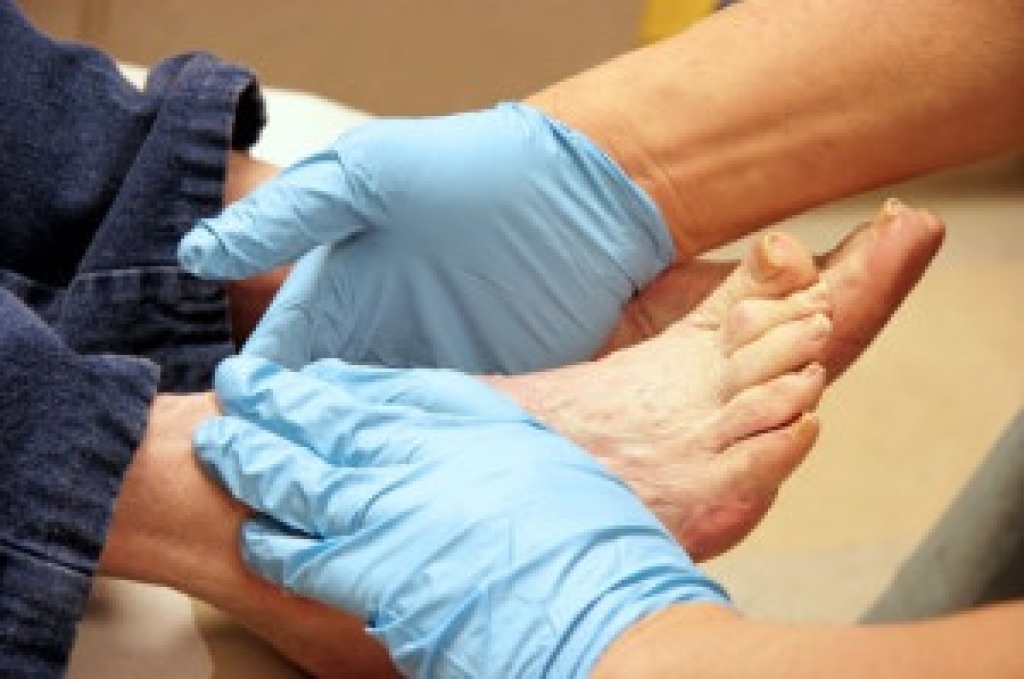
Diabetic foot care is important in preventing foot ailments such as ulcers. If you are suffering from diabetes or have any other concerns about your feet, contact Brandon M. Zuklie, DPM from New Jersey. Our doctor can provide the care you need to keep you pain-free and on your feet.

Diabetic Foot Care

Diabetes affects millions of people every year. The condition can damage blood vessels in many parts of the body, especially the feet. Because of this, taking care of your feet is essential if you have diabetes, and having a podiatrist help monitor your foot health is highly recommended.

The Importance of Caring for Your Feet

  • Routinely inspect your feet for bruises or sores.
  • Wear socks that fit your feet comfortably.
  • Wear comfortable shoes that provide adequate support.

Patients with diabetes should have their doctor monitor their blood levels, as blood sugar levels play such a huge role in diabetic care. Monitoring these levels on a regular basis is highly advised.

It is always best to inform your healthcare professional of any concerns you may have regarding your feet, especially for diabetic patients. Early treatment and routine foot examinations are keys to maintaining proper health, especially because severe complications can arise if proper treatment is not applied.

If you have any questions, please feel free to contact our offices located in Piscataway, Jamesburg, and Branchburg, NJ . We offer the newest diagnostic and treatment technologies for all your foot care needs.

Read more about How to Care for Diabetic Foot

Connect With Us

scroll to top