Who Can Develop Sever’s Disease?

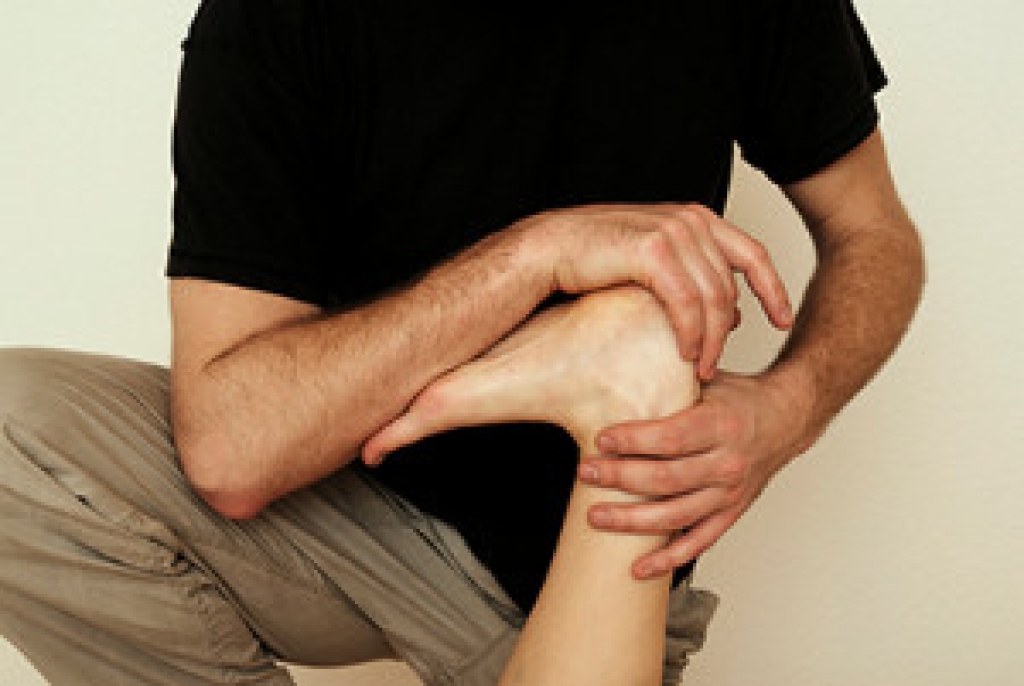
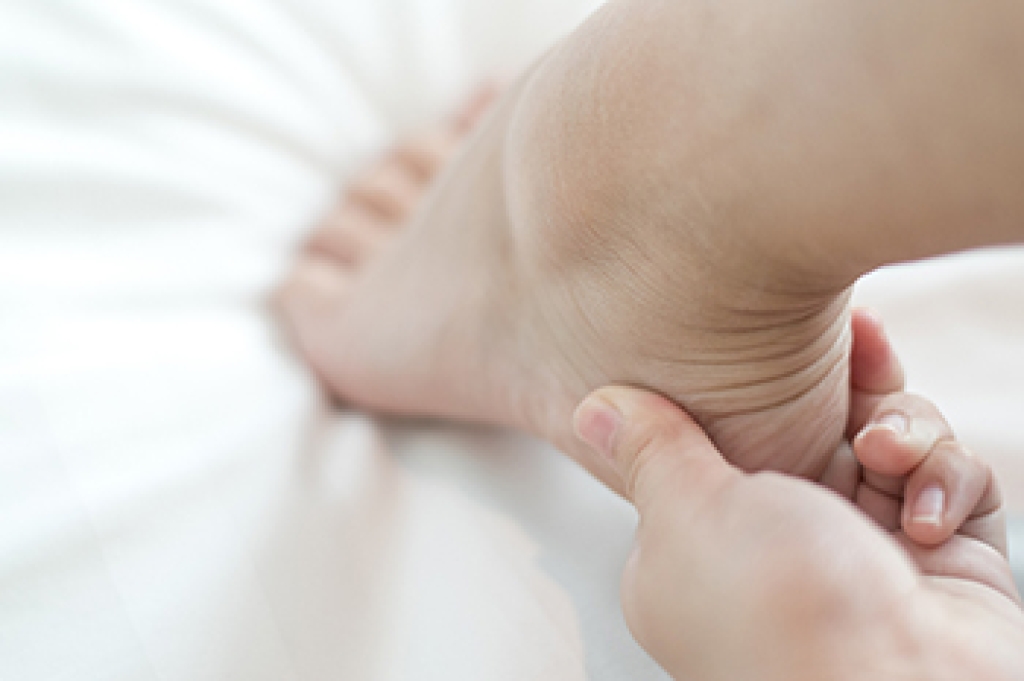
Sever’s disease is a condition that affects the heel of the foot. Children and young teenagers who are physically active may be prone to developing this ailment, which may cause the child to limp or walk on their tiptoes. It is defined as an inflammation of the muscles and tendons surrounding the growth plate in the heel, and it happens when this plate grows faster than the heel bone. This age group of children from 5 to 11 who frequently participate in running and jumping activities can develop this painful condition, which can be accompanied by swelling. Additional reasons why Sever's disease may happen can be from wearing shoes that do not fit correctly, being overweight, or if one leg is shorter than the other. Treatment often begins with temporarily stopping the activity that caused the pain and elevating the affected foot as often as possible. Wearing custom-made orthotics may help the child to feel better, which can provide the necessary support as the healing process occurs. If your child has symptoms of Sever’s disease, it is suggested that you confer with a podiatrist who can effectively determine the cause of their heel pain, and treat it accordingly. 

Sever's disease often occurs in children and teens. If your child is experiencing foot or ankle pain, see Brandon M. Zuklie, DPM from New Jersey. Our doctor can treat your child’s foot and ankle needs.

Sever’s Disease

Sever’s disease is also known as calcaneal apophysitis, which is a medical condition that causes heel pain I none or both feet. The disease is known to affect children between the ages of 8 and 14.

Sever’s disease occurs when part of the child’s heel known as the growth plate (calcaneal epiphysis) is attached to the Achilles tendon. This area can suffer injury when the muscles and tendons of the growing foot do not keep pace with bone growth. Therefore, the constant pain which one experiences at the back of the heel will make the child unable to put any weight on the heel. The child is then forced to walk on their toes.

Symptoms

Acute pain – Pain associated with Sever’s disease is usually felt in the heel when the child engages in physical activity such as walking, jumping and or running.

Highly active – Children who are very active are among the most susceptible in experiencing Sever’s disease, because of the stress and tension placed on their feet.

If you have any questions, please feel free to contact our offices located in Piscataway, Jamesburg, and Branchburg, NJ . We offer the newest diagnostic and treatment technologies for all your foot care needs.

Read more about Sever's Disease

Foot and Other Health Problems From Working on the Feet

It is a well known fact that working on the feet all day and having to stand for prolonged periods of time can have negative health consequences for your feet. For example, if your job requires you to stand all day, you may be setting yourself up for an increased risk of experiencing foot pain, or possibly developing foot conditions like plantar fasciitis. In addition, standing on the feet all day may result in swollen feet or ankles. However, the negative health consequences of standing all day are not limited to the feet. Namely, an individual may also develop chronic back pain and neck or shoulder stiffness. Further, one’s risk of experiencing heart disease may possibly increase. If you are someone who must stand for prolonged periods of time, it is recommended that you contact a podiatrist today.

While working on the feet, it is important to take the proper care of them. For more information about working on your feet, contact Brandon M. Zuklie, DPM from New Jersey. Our doctor will treat your foot and ankle needs.

Working on Your Feet

Standing on your feet for long periods of time can cause stress and pain in your feet. Your whole body may experience change in terms of posture, back pain, bunions, callouses and or plantar warts. There are ways to avoid these conditions with proper foot care, smart choices and correct posture.

Positive Changes

Negative heeled shoe – Choosing this shoe type places the heel slightly lower than the ball of the foot. These are great for overall foot health. Find shoes that fit you correctly.

Go barefoot – Our feet were not designed to be enclosed for all hours of the day. Try to periodically expose your feet to air.

Eliminate Pain

Foot Exercises – Performing simple exercises, incorporating yoga and doing stretches are beneficial. This will allow increased blood flow to the area and muscles of the foot.

Achilles tendon – Stretching the foot out flat on the floor will relax the calf muscles and tendon. These exercises can be performed almost anywhere. Make sure you add these exercises to your daily regimen. 

With a little bit of this information and knowing more about foot health, you will notice changes. Foot stretches and proper footwear will help with pain and prevent further issues.

If you have any questions please contact our offices located in Piscataway, Jamesburg, and Branchburg, NJ . We offer the newest diagnostic and treatment technologies for all your foot and ankle needs.

Read more about How to Handle a Long Work Day on Your Feet

Recovery Time for a Stress Fracture to Heal

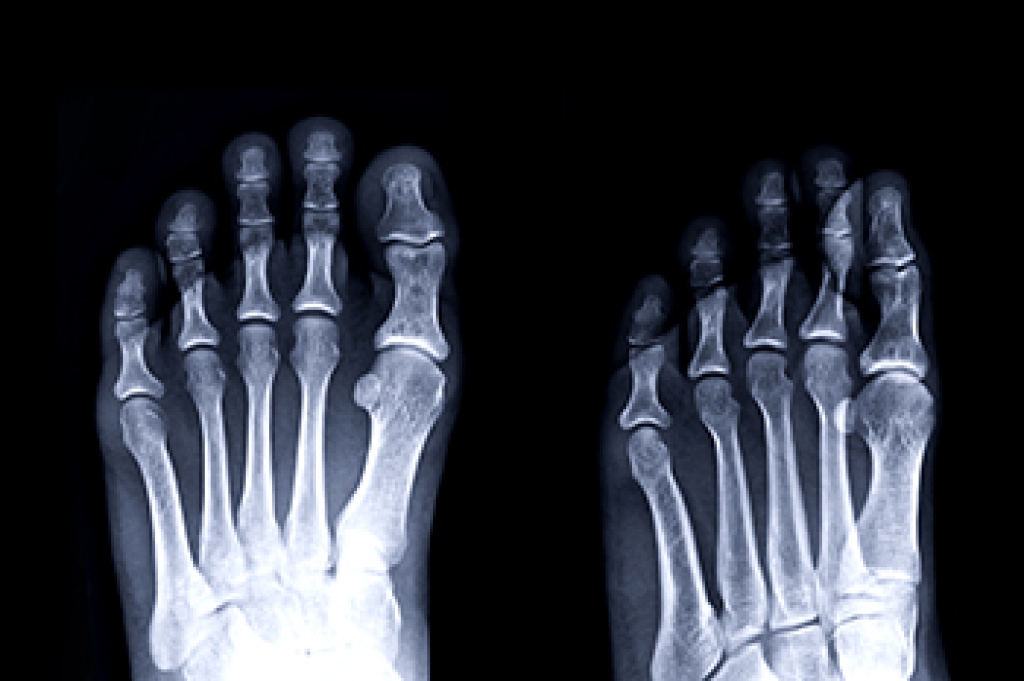
Repetitive overuse is often the reason why stress fractures happen. Many runners endure this foot condition from the miles and hours they spend running.  Stress fractures may cause their running routine to temporarily stop. A stress fracture is defined as a hairline crack in the bone and can affect any of the foot bones. Excessive running or similar activities may cause the muscles to become tired and unable to absorb the impact as the foot strikes the ground. The bone will naturally take on this task, which can result in a stress fracture. It can be confirmed by having an X-ray performed, which precedes beginning treatment. It is beneficial to rest the foot as often as possible, and it may help to use crutches to keep weight off of the foot. The majority of patients who endure stress fractures will completely heal in approximately six weeks, and it is helpful to perform stretches that can strengthen the foot. If you have a stress fracture of the foot, it is suggested that you consult with a podiatrist who can offer you additional treatment options.

Activities where too much pressure is put on the feet can cause stress fractures. To learn more, contact Brandon M. Zuklie, DPM from New Jersey. Our doctor can provide the care you need to keep your pain free and on your feet.

Dealing with Stress Fractures of the Foot and Ankle

Stress fractures occur in the foot and ankle when muscles in these areas weaken from too much or too little use.  The feet and ankles then lose support when walking or running from the impact of the ground. Since there is no protection, the bones receive the full impact of each step. Stress on the feet can cause cracks to form in the bones, thus creating stress fractures.

What Are Stress Fractures?

Stress fractures occur frequently in individuals whose daily activities cause great impact on the feet and ankles. Stress factors are most common among:

  • Runners                                
  • People affected with Osteoporosis
  • Tennis or basketball players
  • Gymnasts
  • High impact workouts

Symptoms

Pain from the fractures occur in the area of the fractures and can be constant or intermittent. It will often cause sharp or dull pain with swelling and tenderness. Engaging in any kind of activity which involves high impact will aggravate pain.

If you have any questions please contact our offices located in Piscataway, Jamesburg, and Branchburg, NJ . We offer the newest diagnostic and treatment technologies for all your foot and ankle needs.

Read more about Dealing with Stress Fractures of the Foot and Ankle

Foot Stretches for Swimming

Many individuals may partake in swimming, whether it be a triathlete or a casual swimmer. Before one engages in this activity, however, it may be beneficial to perform certain foot stretches. For example, a swimmer can increase ankle flexibility and mobility by performing several ankle stretches and motions. Specifically, while wrapping a band around the bottom of the foot and holding it with the hands, an individual can flex the ankle against resistance. By repeatedly pointing the toes against this resistance, one can ultimately improve tissue length near the ankle. If you are someone who frequently swims and you want to learn more about ways in which you can stretch the foot, then it is suggested that you are under the care of a podiatrist. This foot specialist can help you answer any questions you might have and provide any treatment you may need.

Stretching the feet is a great way to prevent injuries. If you have any concerns with your feet consult with Brandon M. Zuklie, DPM from New Jersey. Our doctor will assess your condition and provide you with quality foot and ankle treatment.

Stretching the Feet

Being the backbone of the body, the feet carry your entire weight and can easily become overexerted, causing cramps and pain. As with any body part, stretching your feet can serve many benefits. From increasing flexibility to even providing some pain relief, be sure to give your feet a stretch from time to time. This is especially important for athletes or anyone performing aerobic exercises, but anyone experiencing foot pain or is on their feet constantly should also engage in this practice.

Great ways to stretch your feet:

  • Crossing one leg over the others and carefully pull your toes back. Do 10-20 repetitions and repeat the process for each foot
  • Face a wall with your arms out and hands flat against the wall. Step back with one foot and keep it flat on the floor while moving the other leg forward. Lean towards the wall until you feel a stretch. Hold for 30 seconds and perform 10 repetitions for each foot
  • Be sure not to overextend or push your limbs too hard or you could risk pulling or straining your muscle

Individuals who tend to their feet by regular stretching every day should be able to minimize foot pain and prevent new problems from arising.

If you have any questions please contact our offices located in Piscataway, Jamesburg, and Branchburg, NJ . We offer the newest diagnostic and treatment technologies for all your foot and ankle needs.

Read more about Stretching Your Feet

Connect With Us

scroll to top